

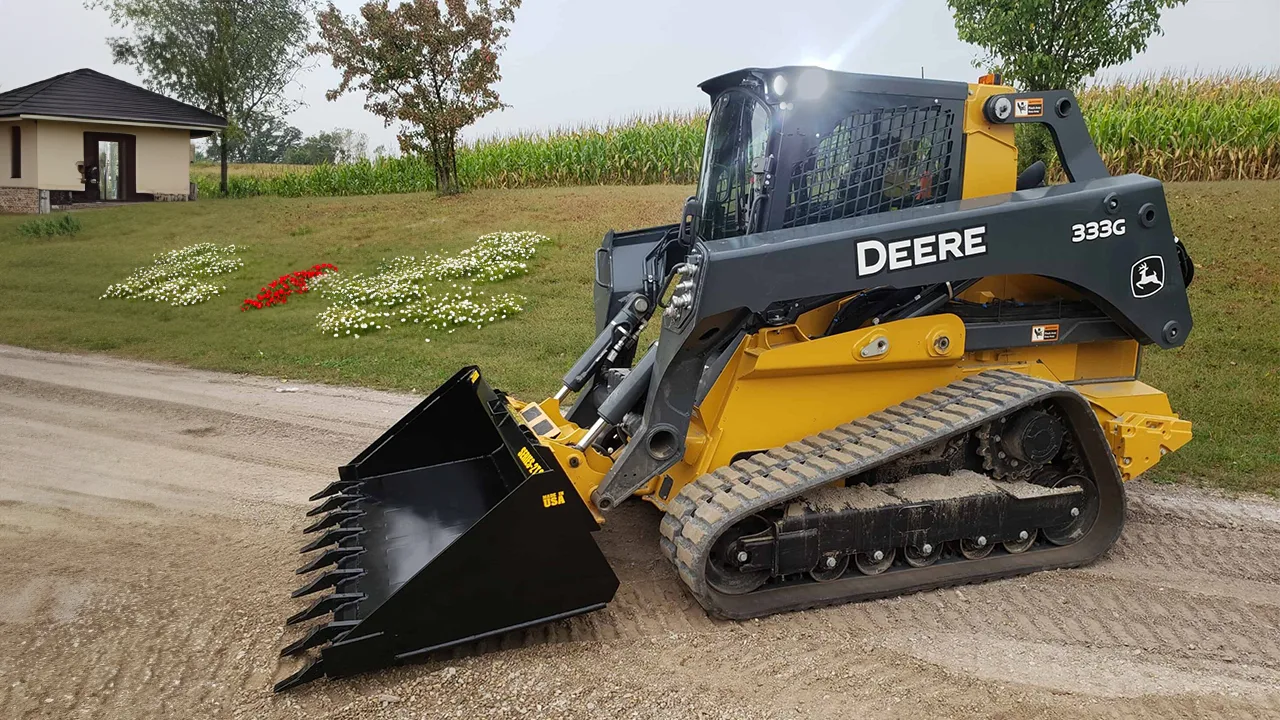
Usually not — at least not on the base form. A contractors equipment policy is built to respond when something outside the machine causes the loss: it is stolen, struck, overturned, burned, or vandalized. When the machine fails from the inside — the engine seizes, the hydraulics give out, a motor burns out from internal causes — that is mechanical or electrical breakdown, and the standard form typically excludes it under the wear-and-tear and mechanical-breakdown exclusion unless you add equipment-breakdown coverage. This guide walks exactly where that line sits, why the base form draws it where it does, and how to decide whether the add-on is worth it for your fleet.
The distinction surprises operators because a machine that dies mid-route feels like exactly the kind of loss the equipment policy should answer — the rig is down, the crew is stalled, the money is real. But the cause is what the form looks at, and an internal failure is treated very differently from an outside hit. Below is that narrow distinction — external peril versus internal failure — answered in full, with the broader equipment-coverage mechanics left to the page they belong on.
The short answer: external perils are covered, internal failure usually is not
Contractors equipment is written for sudden, accidental physical loss from an outside event. Theft off a trailer, a collision in transit, a fire in the yard, a machine struck while loading, an overturn on a slope, vandalism on a job site — these are external perils, and they are squarely what the form covers. Mechanical or electrical breakdown is the other category: the engine that seizes, the hydraulics that fail, the motor that burns out, the component that wears through — failures that originate inside the machine, with no outside event causing them. The standard contractors equipment form carries a wear-and-tear and mechanical-breakdown exclusion that removes those internal-failure losses, on the principle that insurance covers fortuitous events rather than the expected aging and using-up of equipment. Bringing the internal-failure side back in takes equipment-breakdown coverage, added or triggered on the policy. The full anatomy of contractors equipment lives on its page, including how breakdown is treated; this post stays on the single question operators search when a rig dies on the route: is the breakdown covered, and the answer turns entirely on external versus internal.
The trap: a downed machine feels like a covered loss
Here is where operators get caught. A high-value rig dies in the middle of a route — the engine seizes, a motor burns out, the hydraulics quit — and the crew is stalled, the day’s accounts are at risk, and the repair bill is steep. It feels exactly like the kind of equipment loss the policy is for, because the consequence is identical to a theft: a machine out of service and a crew that cannot work. So the claim goes to the contractors equipment carrier, and it comes back denied — not because the loss is not real, but because the cause is internal failure, and the form is built around external events. The same machine struck while loading or stolen off the trailer would be covered without question. The seized engine is not, because nothing outside the machine caused it.
That is the single most misunderstood point about equipment breakdown, and it is a cause distinction, not a severity one. The wear-and-tear and mechanical-breakdown exclusion sits in the base form precisely to draw this line: insurance is written for fortuitous, accidental loss, not for the expected wearing-out and internal failure of machines that run hard season after season. The contractors equipment page treats how breakdown is handled in its own anatomy; the point here is narrower and sharper — the base form’s silence on a seized engine is by design, and only equipment-breakdown coverage changes it.
Real-World Scenario: An operator’s largest zero-turn, the machine two crews depend on through the cutting season, throws a rod and seizes mid-route. The repair quote is most of the cost of a replacement, and the rig is down for weeks at the worst possible time. He files on his contractors equipment policy, certain that the machine he scheduled at full value is covered. The carrier points to the wear-and-tear and mechanical-breakdown exclusion: the engine failed from the inside, with no outside event, so the base form does not respond. Had the same zero-turn been stolen or struck, it would have paid. The coverage that would have answered the internal failure — equipment-breakdown coverage — was never added to the policy.
How equipment-breakdown coverage closes the gap
The fix for the internal-failure gap is equipment-breakdown coverage, the grant written to respond to exactly what the wear-and-tear and mechanical-breakdown exclusion removes — the engine that seizes, the motor that burns out, the electrical or mechanical failure that originates inside a covered machine. On a contractors equipment program it is sometimes built in, sometimes added by endorsement, and sometimes left off entirely, so the first thing to know is which of those is true on your form. Where it is present, the internal-failure losses the base grant excludes have a policy behind them; where it is absent, a downed rig is a repair bill you carry alone.
It matters for a landscaping operation specifically because the equipment runs hard and continuously — full seasons of mowing, grading, digging, and hauling put real hours on machines, and an internal failure of a high-value rig takes a crew offline as completely as a theft does. The decision is not automatic, though. Equipment-breakdown coverage earns its place when you run machines whose failure you genuinely cannot absorb without coverage; for lower-value, easily replaced gear, the external perils the base form already covers may be enough. The honest version of the question is which of your specific rigs you cannot afford to have fail bare.
The check: find the exclusion, then decide on the add-on
You can settle this before a machine ever goes down, and it is two readings on your own policy. First, confirm the wear-and-tear and mechanical-breakdown exclusion is on the form — on most contractors equipment policies it is, which is what makes internal failure excluded by default. Second, check whether equipment-breakdown coverage is built in, added, or absent, since the treatment varies and the answer decides whether a seized engine has anything behind it. Then weigh the add-on against your actual fleet: if a high-value rig’s internal failure would take a crew offline and cost serious money, the coverage is worth carrying; if your gear is low-value and easily swapped, the base external-peril grant may serve. That reading — the exclusion against the machines you truly depend on — is the one we do for operators, because the rig you cannot afford to lose to an internal failure is the one the base form is silent on.
What to do before a rig goes down
Treat the internal-failure exposure as a deliberate choice rather than an assumption, because the base contractors equipment form will not answer a seized engine no matter how fully you scheduled the machine. Read your contractors equipment policy for the wear-and-tear and mechanical-breakdown exclusion, confirm whether equipment-breakdown coverage is on it, and add it where a high-value rig’s failure would genuinely take a crew offline. A landscaping build operation running skid steers and loaders hard, or a lawn care route depending on a fleet of mowers through the season, both run the kind of machines where breakdown coverage is worth the conversation. The external-peril side is the rest of this picture — see whether your mower is covered if it is stolen off the trailer for how an outside-event loss routes, and why your equipment needs inland marine rather than commercial property for the location piece. When you are ready, start a quote and tell us which rigs you cannot afford to have fail, read the full contractors equipment treatment, or see where the equipment line sits in what drives landscaping insurance costs.